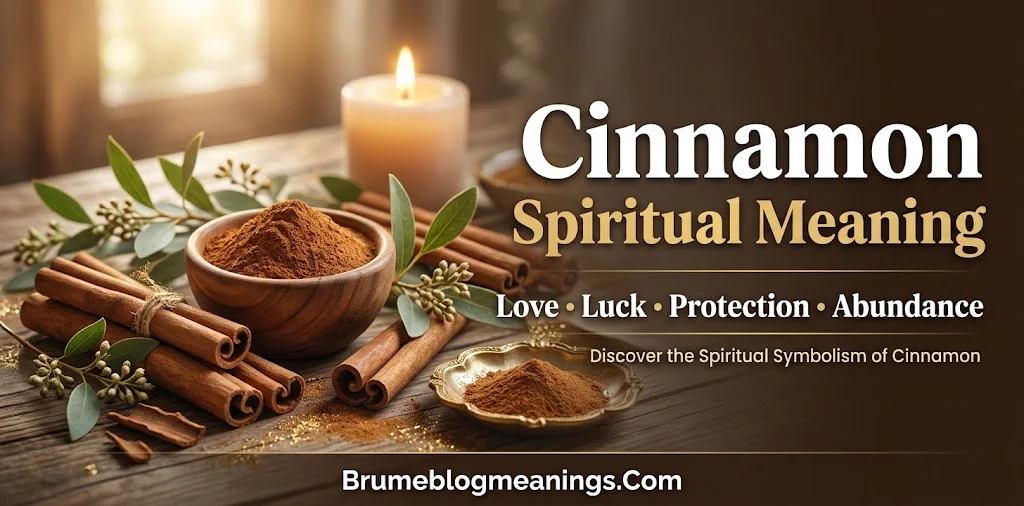
The cinnamon spiritual meaning centers on love, luck, protection and prosperity. Its warm, fiery scent has made it a sacred spice from ancient Egypt to modern American kitchens and altars.
Nearly three-quarters of U.S. adults call themselves at least somewhat spiritual, according to Pew Research Center. Many look for small, simple rituals. Cinnamon is one of the easiest to start with.
Table of Contents
Cinnamon Spiritual Meaning for Love and Passion
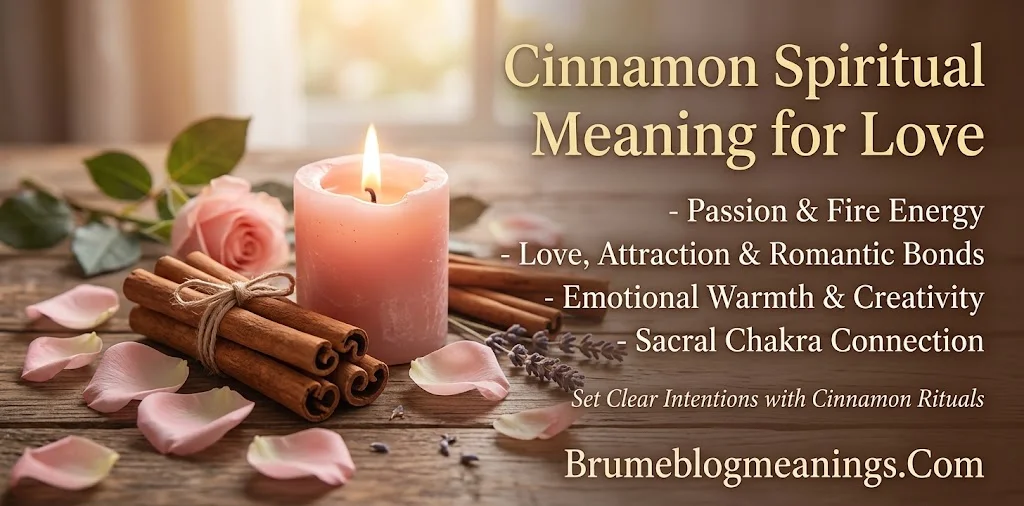
Cinnamon’s heat makes it a classic love spell herb. These three symbolisms explain why.
Passion and fire energy. In folk magic, cinnamon belongs to the fire element. It also links to the Sun, Mars and Mercury, which stand for vitality, drive and communication. Its aphrodisiac reputation ties it to Venus, the goddess of love, and Dionysus, the god of ecstasy.
Attraction and romantic bonds. Practitioners add cinnamon to spell jars, love charms and sachets to draw affection. A common ritual is to place a cinnamon stick beside a pink candle while setting a clear intention. Never leave a burning candle unattended.
Emotional warmth and healing. The scent is linked to the sacral chakra, the energy center tied to feelings and creativity. People use it in aromatherapy and tea rituals to ease stress and bring comfort. This is spiritual tradition, not medical treatment.
While cinnamon is often associated with love, luck, and abundance, other crystals carry powerful symbolism for protection, stability, and inner strength. Exploring the hematite spiritual meaning can help you understand how this grounding stone is traditionally connected to emotional balance, personal resilience, and a stronger sense of security.
Cinnamon Symbolism for Luck and Protection
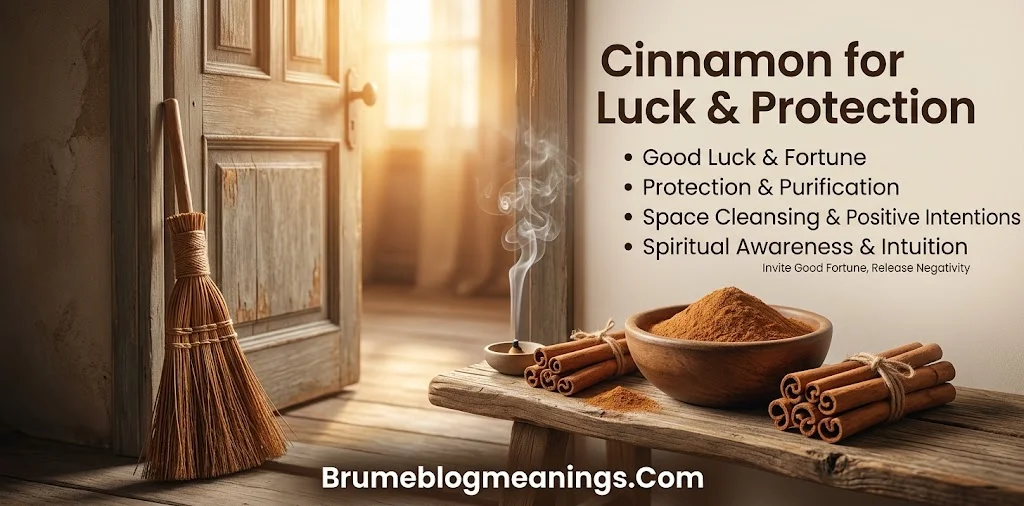
People have used cinnamon for centuries to attract good fortune and guard their space. Here is what cinnamon symbolizes in those traditions.
Good luck and fortune. In hoodoo and Southern folk magic, people sprinkle cinnamon across doorways to invite luck. A cinnamon broom is hung or used at the threshold to sweep out bad energy and sweep in good fortune.
Protection and purification. The Book of Exodus lists cinnamon in the holy anointing oil. Ancient Egyptians used it in embalming, and recipes for kyphi incense included it from the Ptolemaic period. Today, people burn cinnamon incense for space cleansing and to ward off negative energy.
Spiritual awareness and intuition. Some traditions link cinnamon to the third eye and crown chakras. People use it in meditation and divination to sharpen focus and deepen their connection to the divine. These are metaphysical properties of cinnamon, not scientific facts.
Just as cinnamon is often associated with love, luck, and abundance, unexpected encounters in nature can also hold symbolic meaning in spiritual traditions. If you’ve noticed a bird repeatedly flying into your window, exploring the spiritual meaning of a bird hitting your window may offer a fresh perspective on messages of change, awareness, and new beginnings.
Cinnamon Spiritual Properties for Abundance and Prosperity
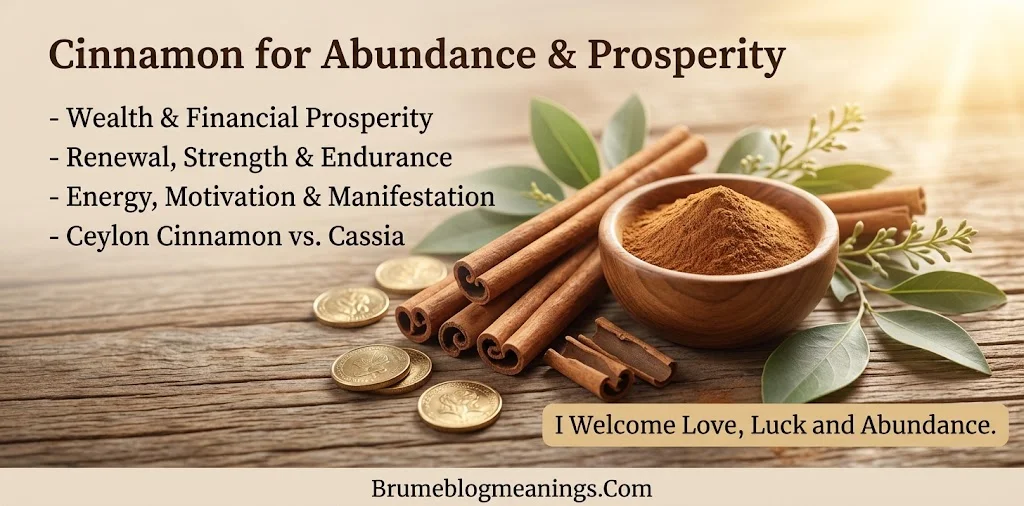
Cinnamon was once worth a fortune, so its link to wealth has real roots in history. These last three symbolisms cover money, resilience and drive.
Wealth and prosperity. Ancient Egyptians imported cinnamon as early as 2000 BC, and it was seen as a gift fit for kings and gods. Later, Arab and Venetian merchants held a trade monopoly. Then the Portuguese and the Dutch fought over Ceylon (now Sri Lanka). The Dutch even destroyed cinnamon trees on India’s Malabar coast to protect their profits. That history explains the modern money ritual: keep a stick in your wallet, or sprinkle a pinch near your cash register.
Renewal, strength and endurance. The cinnamon leaf stands for renewal and growth. The bark stick stands for strength. Many people link cinnamon to the root chakra, which is tied to stability and grounding.
Energy, motivation and manifestation. Cinnamon’s sharp, sweet scent is said to lift energy and clear mental fog. For a simple manifestation ritual, hold a cinnamon stick and say this aloud:
[copy]I welcome love, luck and abundance into my life.[/copy]
Which cinnamon should you use? There are two main types.
- Ceylon cinnamon (Cinnamomum verum) is the “true” cinnamon. Sri Lanka supplies over 85% of it.
- Cassia is the common supermarket type. China led world cinnamon production in 2023 with 39% of the total.
For rituals, either works. For eating daily, choose Ceylon. Austrian food-safety researchers measured 1,880 to 3,260 mg/kg of coumarin in Cassia, against a peak of 185 mg/kg in Ceylon. Germany’s BfR says a 60 kg adult reaches the daily limit with about 2 g of average Cassia.
Spiritual belief is not medical proof. A meta-analysis of 10 trials found cinnamon lowered fasting blood sugar in people with type 2 diabetes. The authors still urged caution because the dose and patient group were unclear. Talk to your doctor before using cinnamon for health. Never swallow cinnamon essential oil, and dilute it before it touches skin.
FAQs
What is the spiritual meaning of cinnamon?
Cinnamon symbolizes love, luck, protection, prosperity and spiritual growth. Many traditions link it to fire energy and purification.
What does cinnamon symbolize in different cultures?
Ancient Egypt used it for embalming and incense. The Bible lists it in the holy anointing oil. In medieval Europe, it signaled wealth and status.
How do you use cinnamon for money and luck?
Keep a stick in your wallet. Sprinkle a pinch at your doorway or workspace. You can also burn it as incense while you set a clear intention.
Is cinnamon good for spiritual protection?
Many folk traditions use it to cleanse a home and guard against negative energy. This is a spiritual belief, not a proven effect.
Which chakra is cinnamon linked to?
Mostly the sacral and root chakras. Some traditions also link it to the third eye and crown chakras.
Conclusion
The cinnamon spiritual meaning blends fire, love, protection and wealth. Use it with clear intention, pick Ceylon for daily use, and treat its magical properties as tradition, not medicine.

Shuja Wiliam is a dedicated word enthusiast and content writer at BrumeBlogMeanings.com, passionate about helping readers understand the meanings of words in a simple and accessible way. He focuses on explaining unfamiliar terms, everyday expressions, synonyms, and word usage through clear definitions and practical examples.